Showing posts with label hiking. Show all posts

Thursday, June 18, 2026

How to Prepare for an Epic Hike into Horseshoe Canyon, Alberta

 A How-To Guide Exploring Horseshoe Canyon

If you’re looking for a stunning badlands adventure that feels like stepping into another world, Horseshoe Canyon (near Drumheller, Alberta) is an absolute must-visit. This dramatic horseshoe-shaped canyon carved into the Canadian Badlands offers breathtaking layered rock formations, sweeping views, and a sense of ancient wonder that truly “talks” to your soul. The photos you shared capture its magic perfectly — from golden sunsets lighting up the hills to the wooden boardwalks and trails overlooking the valley.  
Horseshoe Canyon 
 
Location & Getting There

Horseshoe Canyon is located about 17 km (10 miles) west of Drumheller in Kneehill County, right off Highway 575. It’s an easy drive from Calgary (about 1.5–2 hours) and makes a


fantastic day trip or multi-day getaway in the heart of Alberta’s badlands. Free parking is available at the top, with viewing platforms and trails leading down into the canyon.  Not sure about the free parking at peak tine, there was a time when there was a vehicle set up that was collecting a parking fee, not sure if that is still so, or not?
 
Camping Nearby – Book Ahead!

For the full experience, stay at the Horseshoe Canyon Campground, just steps from the canyon rim. This family-friendly spot offers:

  • Serviced RV sites 
  • Tent camping 
  • Cozy cabins 

It’s the perfect base for sunrise and sunset hikes, stargazing, and exploring the area without rushing back to town. Summer gets busy, so book your site well in advance through their website or Campspot!  
 CAMPSPOT 
 

Hiking Tips: Preparing for the Descent & Ascent

The main trails take you down into the canyon for close-up exploration of the eroded hills, dry creek beds, and unique geology. Important: You cannot drive down — it’s all on foot. The hike down is steep in places, and the climb back up can feel much tougher, especially in heat.

Essential Preparation for Summer Hikes:

Water, water, water! Bring at least 2–3 litres per person (more if you’re spending several hours down there). There’s no reliable water source in the canyon. 
Sun protection is non-negotiable: Wear a wide-brimmed hat, sunscreen (reapply often), sunglasses, and light long-sleeved clothing. The badlands offer very little shade once you’re down in the valley. 
Timing matters: Avoid the hottest part of the day (midday in summer). Start early in the morning or late afternoon for cooler temps and beautiful light. 

Clothing & footwear: Sturdy hiking shoes or boots with good grip — the terrain is uneven, loose, and can be dusty or muddy after rain. 
Pace yourself: Take breaks in any available shade. Listen to your body — the return climb is the real workout. 
Safety first: Limited cell service on the canyon floor. Tell someone your plans and expected return time. Know your limits, especially if hiking with kids or pets.  


Other helpful items to pack:

  • Snacks/energy food 
  • A small first-aid kit 
  • Binoculars for spotting wildlife 
  • Camera or phone for those stunning photos 
  • Rain jacket (weather can change quickly) 
The trails range from easy boardwalk sections at the top to more adventurous paths below. You can keep it short or explore deeper — it’s very customizable.
Why Visit Horseshoe Canyon?
This place combines natural beauty, peaceful solitude, and that unmistakable badlands magic. Whether you’re watching the sun dip behind the hills, wandering the pathways, or simply soaking in the vast valley views, it’s a spot that stays with you.
Horseshoe Canyon is open seasonally — check current conditions on the Kneehill County website before you go. Pack smart, respect the land, and you’ll have an unforgettable Alberta adventure!
 
Happy hiking!  


Wednesday, May 28, 2025

A Moment to Reflect Waterton Lakes National Park Alberta

Finding Serenity at Waterton Lakes National Park: A Moment to Reflect
Last year, in May 2024, I found myself at Waterton Lakes National Park in Southern Alberta, a place where nature’s grandeur feels both timeless and immediate. I settled onto a sturdy bench near the townsite, close to what I believe is the boat marina, with a view that took my breath away. The Upper Waterton Lake stretched out before me, its surface rippling under a chilly, windy breeze, while the rugged, snow-dusted peaks of the Rocky Mountains loomed in the distance. Framed by the branches of a nearby tree, the scene was a perfect blend of tranquility and wild beauty—a moment that begged me to sit, admire, and soak it all in.
Despite the bite in the air, I couldn’t resist exploring further. The wind tousled the waves, and the clouds above shifted restlessly, casting fleeting shadows over the lake and mountains. I imagined sitting there for hours, letting the rhythm of the water and the whisper of the breeze wash away the noise of everyday life. The townsite of Waterton, nestled within the park, buzzed quietly nearby with its small-town charm, but out here by the lake, it was just me and the land, sharing a quiet conversation. This spot, with its unobstructed view of the lake and the towering peaks, reminded me why I’d come—to connect with nature, to explore, and to find peace in the beauty before me.
The Best Things to Do in Waterton Townsite
The Waterton townsite, located within Waterton Lakes National Park, is a charming hub that offers a mix of outdoor adventures and cozy experiences, making it the perfect base for exploring the park. Here are some of the best things to do while you’re there:
  1. Stroll Along the Waterfront: As I experienced, the area near the marina is ideal for a leisurely walk. The pathway offers stunning views of Upper Waterton Lake and the surrounding mountains, with benches like the one I sat on providing perfect spots to pause and reflect. Keep an eye out for wildlife—deer often wander through the townsite.
  2. Boat Tours on Upper Waterton Lake: The marina is the starting point for scenic boat tours that cross into Glacier National Park in the U.S., as Waterton Lakes spans the border. These tours offer a unique perspective of the park, with opportunities to spot wildlife like bald eagles and bears along the shoreline.
  3. Hike the Bear’s Hump: For a short but rewarding hike, the Bear’s Hump trail is a must. It’s a steep 1.4-mile round trip from the townsite, leading to a lookout with panoramic views of the lake, town, and mountains. The climb is challenging but worth it for the breathtaking vista.
  4. Explore Cameron Falls: Just a short walk from the town center, Cameron Falls is a picturesque waterfall cascading over ancient rock formations. It’s a great spot for photos and a quick nature fix without straying far from town.
  5. Dine with a View: The townsite has charming eateries like the Prince of Wales Hotel’s dining room, which offers stunning lake views, or more casual spots like the Waterton Glacier Suites’ patio. Grab a warm drink or a meal and enjoy the mountain backdrop.
  6. Visit the Waterton Heritage Centre: For a dose of history, this small museum in the townsite showcases the park’s cultural and natural heritage, with exhibits on local wildlife, Indigenous history, and the park’s unique status as part of the Waterton-Glacier International Peace Park.
Waterton Lakes National Park’s townsite is a gateway to adventure, but it’s also a place to slow down and appreciate the beauty of the land. That windy, chilly day last year reminded me of the importance of taking a seat, breathing deeply, and letting nature’s splendour renew the spirit—no matter the weather.

Tuesday, May 27, 2025

Hiking Trails in Kananaskis Country Alberta

Exploring the Trails of Kananaskis Country: A Hiker’s Guide to Beauty and Safety
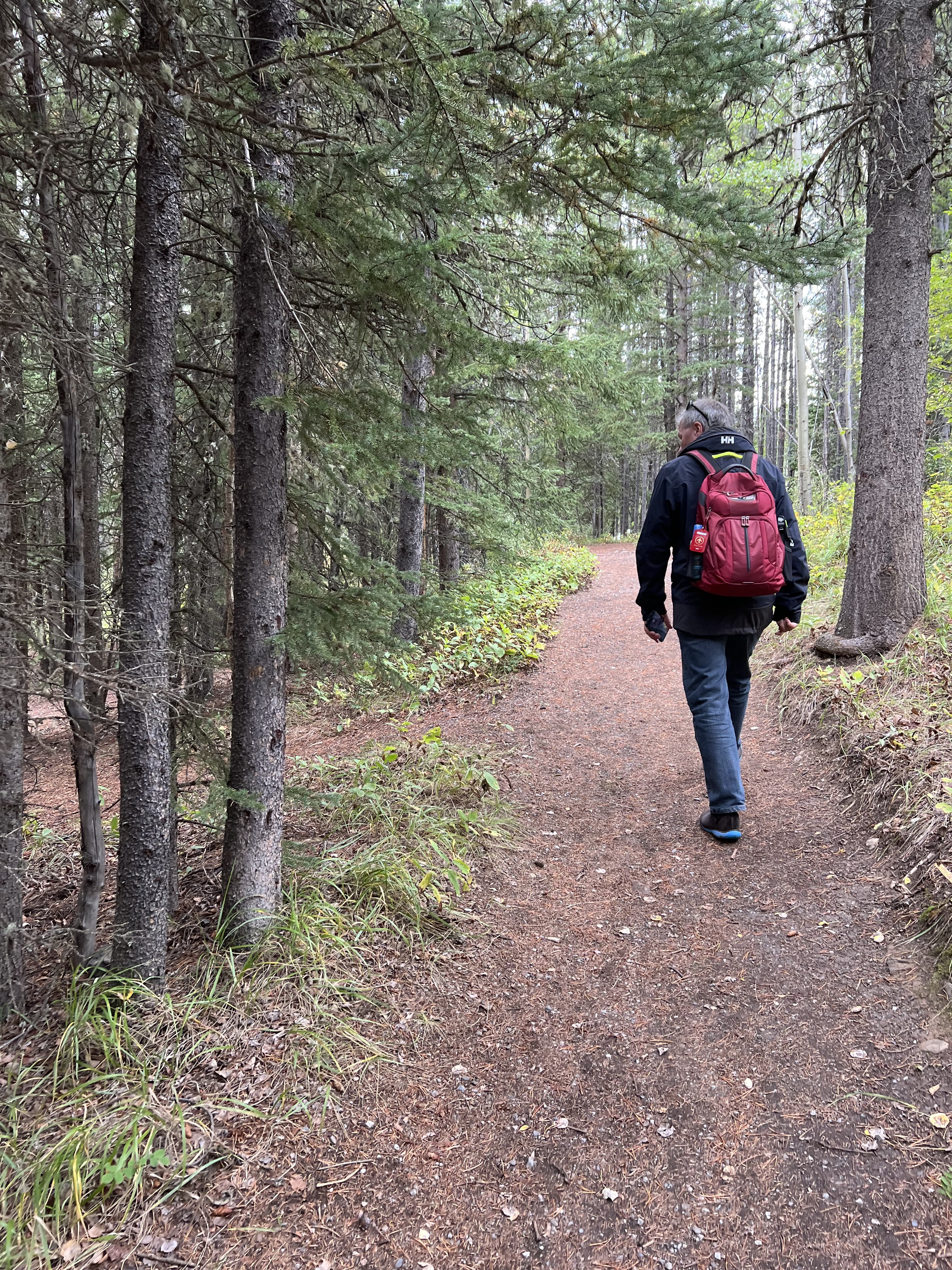
Last year, in May 2024, I set out for a hike in Kananaskis Country, a stunning region in the Canadian Rockies just west of Calgary, Alberta. As I walked along a forested trail, surrounded by towering evergreens and a carpet of soft pine needles, I felt the quiet magic of this place. The path stretched ahead, winding through dense woods, with my red backpack a bright contrast against the earthy tones of the forest. Kananaskis Country, or “K-Country” as locals call it, is a hiker’s paradise, offering breathtaking landscapes and a sense of solitude that’s hard to find elsewhere. But to make the most of your experience here, it’s essential to be prepared for the terrain, wildlife, and ever-changing conditions.
The Beauty of Kananaskis Country
Kananaskis Country spans over 4,000 square kilometers of rugged mountains, alpine meadows, and crystal-clear lakes, nestled between Banff National Park and Calgary. The trail in the photo captures the essence of K-Country’s charm—dense forests of pine and spruce, with glimpses of jagged peaks in the distance. Spring and summer bring wildflowers like fireweed and Indian paintbrush, while fall paints the larch trees a brilliant gold. Trails like the Highwood Meadows or the Ptarmigan Cirque offer panoramic views of snow-capped mountains, and spots like Barrier Lake provide serene waterside moments. Every step in Kananaskis feels like a journey into a postcard, with the air filled with the scent of pine and the sound of birdsong.
Things to Be Careful Of
Hiking in Kananaskis Country comes with its challenges, and safety is key to a positive experience.
  • Wildlife: K-Country is home to bears (both grizzly and black), cougars, and moose. Always carry bear spray, know how to use it, and make noise while hiking to avoid surprising animals. Travel in groups if possible, and keep a safe distance if you spot wildlife—never approach or feed them.
  • Steep Drops and Terrain: Many trails, like those leading to Ha Ling Peak or Mount Yamnuska, involve steep ascents and exposed sections with significant drops. Stay on marked paths, watch your footing, and be cautious near cliffs, especially in wet or icy conditions.
  • Roads: Access to trailheads often involves driving on Highway 40 or the Smith-Dorrien Trail (Highway 742), which can be narrow, winding, and gravel in sections. The Smith-Dorrien, in particular, is unpaved and prone to washouts after heavy rain. Drive slowly, ensure your vehicle is in good condition, and check road conditions before heading out.
  • Weather: Kananaskis weather can change rapidly. A sunny morning can turn into a thunderstorm by afternoon, and temperatures can drop significantly at higher elevations. Check the forecast, but be prepared for sudden shifts—pack layers, a waterproof jacket, and extra socks. Snow can linger on trails into June, and early snowfall can start in September.
Ensuring the Most Positive Hiking Experience
To make your Kananaskis hike as enjoyable as possible, a little preparation goes a long way:

How to Visit Lundbreck Falls in Southern Alberta

How to Visit Lundbreck Falls Alberta: Complete Guide for Sightseers, Photographers & Nature Lovers (2026) Looking for an easy, stunning ...